
We unload thousands of boxes a year, and the difference between a smooth unpacking and a frustrating one almost always comes down to how the boxes were packed in the first place, not how many there were. Here’s the order and method we’d use in our own homes.
Kitchen
The kitchen takes longer than anyone plans for, so start here first if you’re packing yourself.
- Dishes go on their edge, like records, wrapped individually in packing paper — stacking them flat is what causes them to crack under their own weight.
- Glasses and stemware get double-wrapped, and heavier glassware goes on the bottom of its own box, never mixed with plates.
- Small appliances travel in their original boxes if you kept them; if not, wrap the cord separately so it doesn’t scratch the finish.
- Pack a clearly labeled “first night” box with a few plates, cups, utensils, coffee supplies, and a dish towel so day one doesn’t require unpacking everything else first.
Bedrooms
Bedrooms move faster than the kitchen, but a few things trip people up.
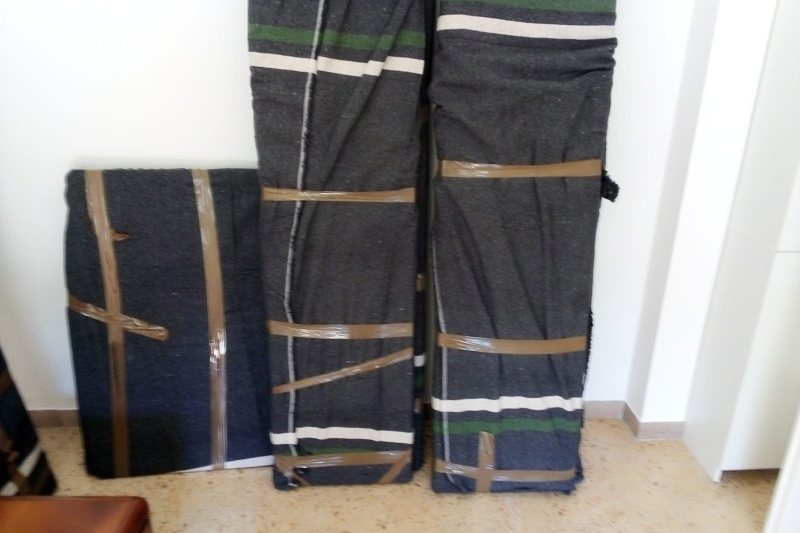
- Leave clothes in dresser drawers if the dresser is sturdy enough to move with drawers in — wrap the whole piece in a moving blanket instead of emptying it.
- Hanging clothes travel best in a wardrobe box, straight from the closet rod to the box rod.
- Strip the bed the morning of the move, not before — you’ll want it made the night before.
- Bag hardware from disassembled bed frames and tape the bag to the frame itself so it doesn’t end up loose in a random box.
Living Room
This room is mostly furniture and electronics, both of which need a little more care than boxes do.
- Photograph the back of your TV and entertainment center before disconnecting anything — it saves ten minutes of guesswork at the new place.
- Wrap electronics in anti-static bags or their original packaging if you have it; blankets alone don’t protect against static damage.
- Books go in small boxes, not large ones — a large box full of books is heavier than almost anyone expects and it’s a common source of dropped boxes and hurt backs.
- Lamps: remove the shade and bulb, wrap the base, and box the shade separately with plenty of paper so it doesn’t crush.
Garage and Storage
This is the room people put off packing and then run out of time for — start here early, three to four weeks out if you can.
- Drain gas from any lawn equipment before moving it — a mower or trimmer with fuel in the tank isn’t something we can load on the truck.
- Group tools by type in small, sturdy boxes rather than one giant bin — a giant bin of tools is close to unliftable once it’s full.
- Paint cans, chemicals, and propane tanks are common items people forget can’t legally travel on a moving truck — plan to use them up, give them away, or dispose of them properly before move day.
Fragile Items and Pianos
A few items deserve their own plan instead of getting boxed with everything else.
- Mirrors and framed art travel in flat picture boxes with cardboard corner protectors, never flat in the truck bed with other items stacked on top.
- China and heirloom glassware get double-boxed — one box inside a slightly larger box with padding between the two — for anything genuinely irreplaceable.
- Pianos are not a DIY item. An upright piano can weigh 300 to 500 pounds and needs a dedicated dolly, straps, and at minimum two experienced movers who know how to navigate doorways and stairs without tipping it — this is one job worth booking a crew for even if you’re handling everything else yourself.
None of this is complicated once you break it room by room instead of staring at an entire house at once. If you’d rather skip the wrapping and dolly work altogether, that’s the part of the job our crew handles every week — but even if you’re packing solo, this order will get you through it in noticeably better shape than the last box you threw together at midnight.